







-150x150.png)





-150x150.png)










11 Apr
0 Comment(s)
158 View(s)
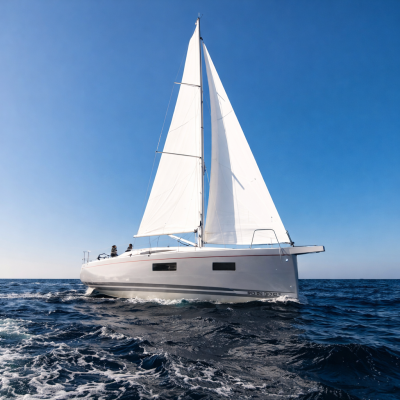
A sailboat propeller is a compromise between propulsion efficiency under power and minimal drag under sail. The correct choice depends on drivetrain type (shaft vs saildrive), displacement, reduction ratio, and how the vessel is actually used—cruising, racing, or mixed duty.
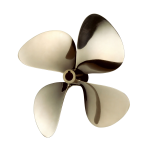
Fixed Blade Propellers
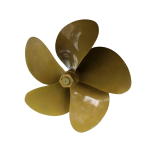
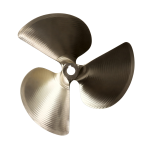
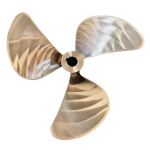
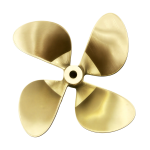
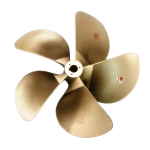
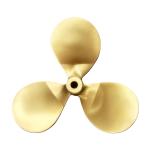
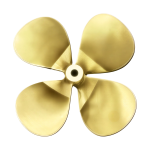
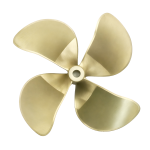
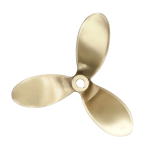
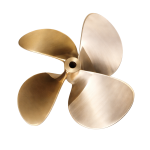
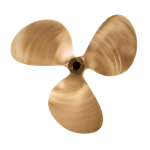
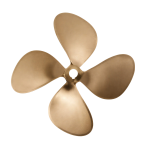
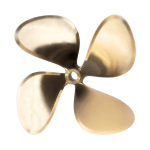
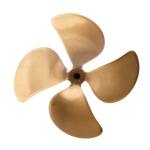
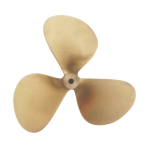
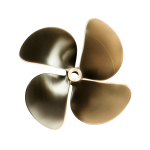
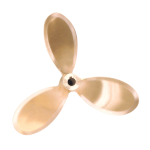
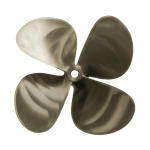
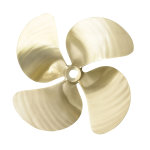
Traditional and robust, typically 2- or 3-blade bronze designs such as Michigan Wheel sailboat series propellers.
Characteristics
- Highest thrust per dollar
- Simple, durable construction
- Consistent reverse performance
Trade-offs
- Highest drag under sail
- Reduced sailing performance (especially in light air)
Use Case
- Displacement cruisers prioritizing reliability and cost
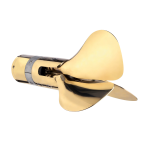
Folding Propellers
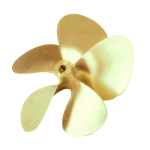
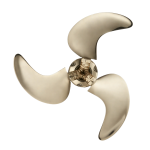
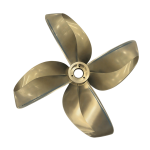
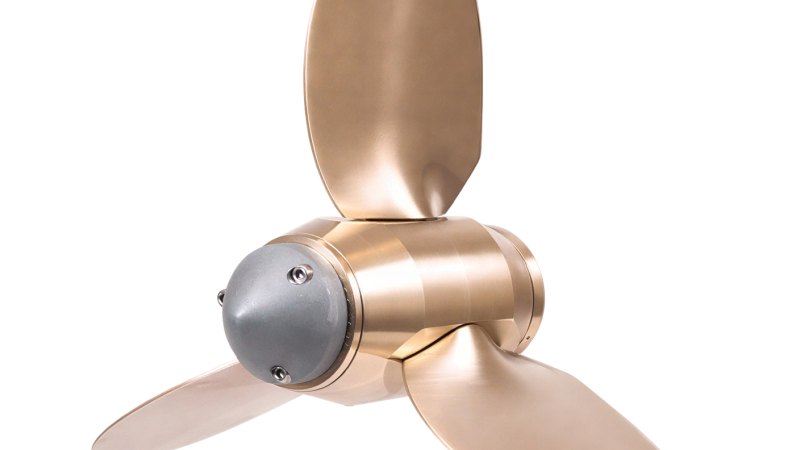
Modern low-drag solution, commonly seen from Flexofold Propellers.
Characteristics
- Blades fold aft when sailing → minimal drag
- Efficient forward thrust under power
- Lightweight and balanced
Trade-offs
- Reverse thrust less aggressive than feathering designs
- More mechanical complexity than fixed props
Use Case
- Performance cruisers and racers seeking speed under sail
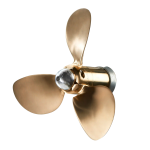
Feathering Propellers
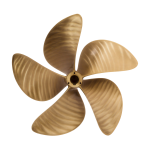
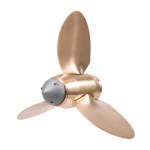
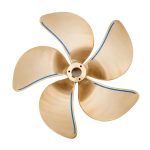
Adjustable pitch blades that align with water flow under sail, such as Max Prop Feathering Propellers.
Characteristics
- Blades rotate (“feather”) to reduce drag
- Strong reverse thrust (often best in class)
- Adjustable pitch on many models
Trade-offs
- Higher cost
- Requires periodic maintenance and lubrication
Use Case
- Bluewater cruisers and sailors prioritizing control and maneuverability
Critical Sizing Inputs
Proper prop selection requires more than diameter and pitch. For accurate recommendations, collect:
- Engine horsepower and max RPM Gear ratio (critical for sailboats)
- Shaft diameter or saildrive model
- Vessel displacement and waterline length
- Current prop size (stamped, not assumed)
- Actual WOT RPM (without over-trimming or overload)
Rule of thumb (refined)
- Increasing pitch reduces RPM
- Decreasing pitch increases RPM
- On like-for-like designs, expect ~150–200 RPM change per inch of pitch—but validate with load and blade geometry (don’t rely on this blindly)
Materials
- Manganese Bronze: cost-effective, durable
- NiBral (Nickel Aluminum Bronze): stronger, corrosion-resistant, better for higher loads
- Composite (select folding props): lightweight, corrosion-proof (niche use)
Performance Optimization
- Reduce Drag Under Sail
- Folding or feathering props can significantly improve sailing speed (often 0.2–1.0+ knots depending on hull and conditions)
- Fixed props create turbulent wake and braking effect
Achieve Target WOT RPM
- Target the upper end of manufacturer RPM range
- Under-revving = overloaded engine → poor efficiency and long-term wear
Balance Thrust vs Drag
- Cruisers: prioritize thrust and maneuverability
- Racers: prioritize low drag and acceleration under sail
Bottom Line
- Fixed props = reliability and cost efficiency
- Folding props = best for sailing performance
- Feathering props = best balance of control, reverse power, and low drag
Leave a comment